

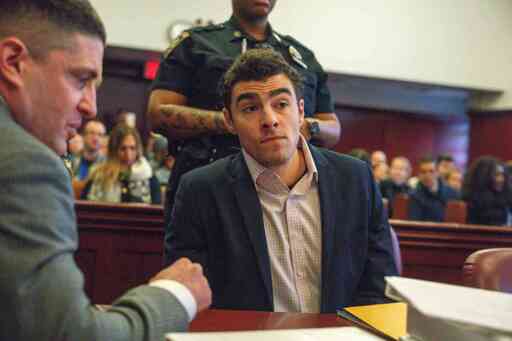
One year after the killing of UnitedHealthcare CEO Brian Thompson, the court is now weighing whether police violated alleged gunman Luigi Mangione’s Miranda rights.
One year after the killing of UnitedHealthcare CEO Brian Thompson, the court is now weighing whether police violated alleged gunman Luigi Mangione’s Miranda rights.
The issue is with the initial search. They can only search after they have the warrant, and they allegedly made the arrest knowing they would find a gun, and then got the warrant, and then “found” the gun again.
Even if they claim that as long as they did find the gun, it means they were right - the problem is that, had they not known about the gun, they wouldn’t have had grounds to arrest him, and therefore they wouldn’t have a conviction. That sounds fine as long as you do find a murderer, but not for everyone else they search like that with no warrant.
Even assuming the gun was real and not planted, the legal issue is that they can’t be allowed to fish for anyone they want, even if they happen to land on the right guy - after countless other innocents. Forcing them to let an actual murderer free would, presumably, push them to think twice before violating random people’s rights.
And after that, they have to prove somehow that the gun wasn’t planted while they had the bag and the owner couldn’t check on them.
I think he is saying that if the people who applied for and recieved the warrant didn’t know that the bag had been sesrched and such, then the judge is likely to decide it would have happened anyway. But that does still leave the question of if they would have arrested him without having seen what was in the bag.
The legal doctrine at play here is “inevitable discovery”. If the state would have “inevitably” found the evidence through legal means, then they can use the evidence anyway, even if the original search was illegal.
The point of the theatrics with getting the warrant after the fact is to try to show the judge that that alternative process was “inevitable.”